Call Us Today! (203) 975-9600
SAME DAY APPOINTMENTS AVAILABLE
Call Us Today! (203) 975-9600
SAME DAY APPOINTMENTS AVAILABLE
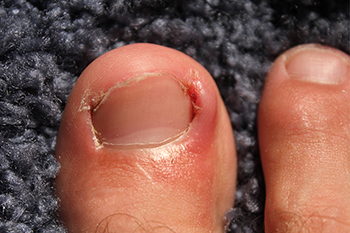
Ingrown toenails develop when the edge of a nail grows into the surrounding skin, leading to redness, swelling, and pain along the nail border. Shoes that crowd the toes, improper trimming, repetitive pressure, and nail shape all contribute to this problem. While early cases may cause mild irritation, ongoing ingrowth can lead to infection, drainage, and difficulty wearing shoes or walking comfortably. Treatment depends on severity and recurrence. Conservative care may include careful trimming, soaking, and reducing pressure on the toe. When symptoms persist or return, a more advanced procedure is often recommended. In clinical practice, partial nail removal combined with treatment of the nail root is commonly used to prevent regrowth of the problematic edge. More invasive surgical approaches are far less frequently needed. If an ingrown toenail becomes painful, infected, or recurrent, it is suggested that an evaluation by a podiatrist can provide effective and lasting relief.
Ingrown toenails may initially present themselves as a minor discomfort, but they may progress into an infection in the skin without proper treatment. For more information about ingrown toenails, contact one of our podiatrists of Preferred Footcare, LLC. Our doctors can provide the care you need to keep you pain-free and on your feet.
Ingrown Toenails
Ingrown toenails are caused when the corner or side of a toenail grows into the soft flesh surrounding it. They often result in redness, swelling, pain, and in some cases, infection. This condition typically affects the big toe and may recur if it is not treated properly.
Causes
You are more likely to develop an ingrown toenail if you are obese, have diabetes, arthritis, or have any fungal infection in your nails. Additionally, people who have foot or toe deformities are at a higher risk of developing an ingrown toenail.
Symptoms
Some symptoms of ingrown toenails are redness, swelling, and pain. In rare cases, there may be a yellowish drainage coming from the nail.
Treatment
Ignoring an ingrown toenail can have serious complications. Infections of the nail border can progress to a deeper soft-tissue infection, which can then turn into a bone infection. You should always speak with your podiatrist if you suspect you have an ingrown toenail, especially if you have diabetes or poor circulation.
If you have any questions, please feel free to contact our office located in Stamford, CT . We offer the newest diagnostic and treatment technologies for all your foot care needs.
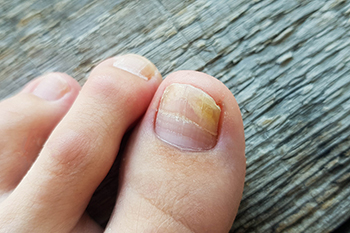
Toenail fungus, medically known as onychomycosis, affects the nails of the feet. It occurs when fungal organisms invade the nail plate and surrounding tissue. Causes often include prolonged moisture exposure and contact with contaminated surfaces. Risk factors include walking barefoot on hotel carpets, public showers, pool decks, and surrounding areas where fungi thrive. Symptoms include thickened nails, discoloration, brittleness, crumbling edges, and occasional discomfort. Without treatment, the infection can spread and become more difficult to manage. A podiatrist can accurately diagnose toenail fungus, recommend effective treatment options, and monitor nail health. If you have symptoms of toenail fungus, it is suggested that you consult a podiatrist who can offer effective treatment solutions, which may include prescribed medication.
If left untreated, toenail fungus may spread to other toenails, skin, or even fingernails. If you suspect you have toenail fungus it is important to seek treatment right away. For more information about treatment, contact one of our podiatrists of Preferred Footcare, LLC. Our doctors can provide the care you need to keep you pain-free and on your feet.
Symptoms
Treatment
If self-care strategies and over-the-counter medications does not help your fungus, your podiatrist may give you a prescription drug instead. Even if you find relief from your toenail fungus symptoms, you may experience a repeat infection in the future.
Prevention
In order to prevent getting toenail fungus in the future, you should always make sure to wash your feet with soap and water. After washing, it is important to dry your feet thoroughly especially in between the toes. When trimming your toenails, be sure to trim straight across instead of in a rounded shape. It is crucial not to cover up discolored nails with nail polish because that will prevent your nail from being able to “breathe”.
In some cases, surgical procedure may be needed to remove the toenail fungus. Consult with your podiatrist about the best treatment options for your case of toenail fungus.
If you have any questions please contact our office located in Stamford, CT . We offer the newest diagnostic and treatment technologies for all your foot and ankle needs.

Cold weather can intensify foot and ankle arthritis by increasing joint stiffness and reducing circulation. Muscles and soft tissues tighten in lower temperatures, making movement feel more painful and restricted. To manage symptoms, keeping feet warm is important. Insulated shoes, moisture-wicking socks, and avoiding prolonged exposure to cold surfaces can help. Gentle stretching in the morning improves flexibility and eases first step pain. Wearing supportive footwear and custom orthotics reduce joint stress during walking. Low impact activity keeps joints moving without excessive strain, while rest helps calm flare-ups. Anti inflammatory treatments and occasional heat therapy may also provide relief. Paying attention to footwear indoors is just as important as outside. If cold weather regularly worsens your foot or ankle arthritis pain, it is suggested that you see a podiatrist for additional relief options..
Arthritis can be a difficult condition to live with. If you are seeking treatment, contact one of our podiatrists from Preferred Footcare, LLC. Our doctors can provide the care you need to keep you pain-free and on your feet.
Arthritic Foot Care
Arthritis is a term that is commonly used to describe joint pain. The condition itself can occur to anyone of any age, race, or gender, and there are over 100 types of it. Nevertheless, arthritis is more commonly found in women compared to men, and it is also more prevalent in those who are overweight. The causes of arthritis vary depending on which type of arthritis you have. Osteoarthritis for example, is often caused by injury, while rheumatoid arthritis is caused by a misdirected immune system.
Symptoms
Arthritic symptoms range in severity, and they may come and go. Some symptoms stay the same for several years but could potentially get worse with time. Severe cases of arthritis can prevent its sufferers from performing daily activities and make walking difficult.
Risk Factors
If you suspect your arthritis is affecting your feet, it is crucial that you see a podiatrist immediately. Your doctor will be able to address your specific case and help you decide which treatment method is best for you.
If you have any questions please feel free to contact our office located in Stamford, CT . We offer the newest diagnostic tools and technology to treat your foot and ankle needs.

Have your child's feet been examined lately? Healthy feet are happy feet. If your child is complaining of foot pain, it may be a sign of underlying problems.
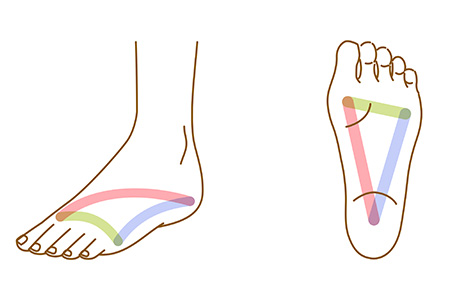
The foot and ankle serve as the foundation for balance, movement, and overall body alignment, supporting every step taken throughout daily life. Their structure includes bones, joints, and ligaments that work together to create strength and flexibility, while absorbing shock with each stride. Soft tissue, such as muscles and tendons, provides stability and helps control motion during walking and standing. When foot balance is out of alignment, conditions such as plantar fasciitis, ankle instability, tendon strain, and joint pain may develop, often affecting posture and comfort beyond the feet. If you have foot pain, it is suggested that you consult a podiatrist who can evaluate alignment, diagnose underlying issues, and provide treatment through orthotics or other medical care.
If you have any concerns about your feet, contact one of our podiatrists from Preferred Footcare, LLC. Our doctors can provide the care you need to keep you pain-free and on your feet.
Biomechanics in Podiatry
Podiatric biomechanics is a particular sector of specialty podiatry with licensed practitioners who are trained to diagnose and treat conditions affecting the foot, ankle and lower leg. Biomechanics deals with the forces that act against the body, causing an interference with the biological structures. It focuses on the movement of the ankle, the foot and the forces that interact with them.
A History of Biomechanics
Modern technological improvements are based on past theories and therapeutic processes that provide a better understanding of podiatric concepts for biomechanics. Computers can provide accurate information about the forces and patterns of the feet and lower legs.
Understanding biomechanics of the feet can help improve and eliminate pain, stopping further stress to the foot.
If you have any questions please feel free to contact our office located in Stamford, CT . We offer the newest diagnostic and treatment technologies for all your foot and ankle needs.
Call Us Today! (203) 975-9600
SAME DAY APPOINTMENTS AVAILABLE