Call Us Today! (203) 975-9600
SAME DAY APPOINTMENTS AVAILABLE
Call Us Today! (203) 975-9600
SAME DAY APPOINTMENTS AVAILABLE

Ankle impingement describes a problem where tissue or bone inside the ankle joint gets caught during movement. This pinching can develop after repeated ankle sprains, ongoing swelling, or years of stress on the joint. Pain is often felt at the front or back of the ankle, and may worsen when walking uphill, squatting, climbing stairs, or pushing off the foot. Some people notice stiffness, swelling, or a feeling that the ankle catches or blocks movement. Over time, extra tissue or small bone changes can form, making motion more limited and uncomfortable. These symptoms can interfere with exercise, work, and daily walking, if not addressed. Identifying the cause early helps prevent further joint irritation and long-term damage. If ankle pain, stiffness, or swelling continues or affects mobility, it is suggested that you see a podiatrist for a proper diagnosis and appropriate treatment.
Ankle pain can be caused by a number of problems and may be potentially serious. If you have ankle pain, consult with one of our podiatrists from Preferred Footcare, LLC. Our doctors will assess your condition and provide you with quality foot and ankle treatment.
Ankle pain is any condition that causes pain in the ankle. Due to the fact that the ankle consists of tendons, muscles, bones, and ligaments, ankle pain can come from a number of different conditions.
Causes
The most common causes of ankle pain include:
Symptoms
Symptoms of ankle injury vary based upon the condition. Pain may include general pain and discomfort, swelling, aching, redness, bruising, burning or stabbing sensations, and/or loss of sensation.
Diagnosis
Due to the wide variety of potential causes of ankle pain, podiatrists will utilize a number of different methods to properly diagnose ankle pain. This can include asking for personal and family medical histories and of any recent injuries. Further diagnosis may include sensation tests, a physical examination, and potentially x-rays or other imaging tests.
Treatment
Just as the range of causes varies widely, so do treatments. Some more common treatments are rest, ice packs, keeping pressure off the foot, orthotics and braces, medication for inflammation and pain, and surgery.
If you have any questions please feel free to contact our office located in Stamford, CT . We offer the newest diagnostic tools and technology to treat your foot and ankle needs.
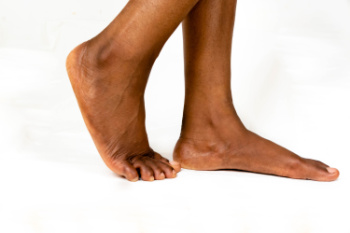
Flat feet describe a foot posture where the inner arch lowers during standing and walking, affecting how weight moves across the toes and ankles. Flat feet can be flexible, meaning an arch appears when the foot is off the ground, or rigid, where an arch does not form due to bone structure. Ongoing strain can stress joints and soft tissue and alter walking patterns over the long-term. Shoes with inadequate support and frequent wearing of flip-flops can increase symptoms. A podiatrist can evaluate alignment, heel position, and joint motion, then outline a plan that includes guidance on footwear, orthotic devices, and activity modification. Surgery may be considered when foot structure or pain levels require it. If you have flat feet that are causing problems, it is suggested that you make an appointment with a podiatrist for a diagnosis and options for help.
Flatfoot is a condition many people suffer from. If you have flat feet, contact one of our podiatrists from Preferred Footcare, LLC. Our doctors will treat your foot and ankle needs.
What Are Flat Feet?
Flatfoot is a condition in which the arch of the foot is depressed and the sole of the foot is almost completely in contact with the ground. About 20-30% of the population generally has flat feet because their arches never formed during growth.
Conditions & Problems:
Having flat feet makes it difficult to run or walk because of the stress placed on the ankles.
Alignment – The general alignment of your legs can be disrupted, because the ankles move inward which can cause major discomfort.
Knees – If you have complications with your knees, flat feet can be a contributor to arthritis in that area.
Symptoms
Treatment
If you are experiencing pain and stress on the foot you may weaken the posterior tibial tendon, which runs around the inside of the ankle.
If you have any questions, please feel free to contact our office located in Stamford, CT . We offer the newest diagnostic and treatment technologies for all your foot care needs.

Diabetic neuropathy is a condition in which prolonged high blood sugar damages the nerves, most commonly in the feet and lower legs. This nerve damage can cause numbness, tingling, burning sensations, or loss of feeling, which affects balance and overall gait. As sensation decreases, walking patterns may change and increase the risk of falls or injuries. In more advanced cases, muscle weakness can develop and lead to foot drop, making it difficult to lift the front of the foot while walking. These changes can place added stress on joints and skin, raising the risk of sores or infections. A podiatrist plays an important role in managing diabetic neuropathy by monitoring foot health, addressing gait changes, recommending supportive footwear or bracing, and preventing complications. If you have diabetes and notice changes in walking or foot sensation, it is suggested that you are under the care of a podiatrist who can help you to manage this serious condition.
Diabetic foot care is important in preventing foot ailments such as ulcers. If you are suffering from diabetes or have any other concerns about your feet, contact one of our podiatrists from Preferred Footcare, LLC. Our doctors can provide the care you need to keep you pain-free and on your feet.
Diabetic Foot Care
Diabetes affects millions of people every year. The condition can damage blood vessels in many parts of the body, especially the feet. Because of this, taking care of your feet is essential if you have diabetes, and having a podiatrist help monitor your foot health is highly recommended.
The Importance of Caring for Your Feet
Patients with diabetes should have their doctor monitor their blood levels, as blood sugar levels play such a huge role in diabetic care. Monitoring these levels on a regular basis is highly advised.
It is always best to inform your healthcare professional of any concerns you may have regarding your feet, especially for diabetic patients. Early treatment and routine foot examinations are keys to maintaining proper health, especially because severe complications can arise if proper treatment is not applied.
If you have any questions, please feel free to contact our office located in Stamford, CT . We offer the newest diagnostic and treatment technologies for all your foot care needs.

Your feet are covered most of the day. If you're diabetic, periodic screening is important for good health. Numbness is often a sign of diabetic foot and can mask a sore or wound.

Toe pain caused by sesamoiditis often develops when the small sesamoid bones beneath the big toe become irritated from repeated pressure during walking, running, or increased time on hard surfaces. These tiny bones act like pulleys that help the big toe move smoothly and absorb weight with each step. People usually describe a sharp ache directly under the big toe that worsens when pushing off the ground or bending the toe upward. Higher arched feet can place more force under this area, and shoes that lack adequate support, like thin flip-flops, can add further strain. A podiatrist can examine the toe, assess how the sesamoids are functioning, and use imaging to rule out issues like stress fractures. Treatment focuses on reducing pressure under the big toe with offloading inserts, wearing supportive shoes, and changes in activity. Surgery is reserved for rare cases involving ongoing pain or structural problems. If you have symptoms of sesamoiditis, it is suggested that you schedule an appointment with a podiatrist for an exam and appropriate treatment.
Sesamoiditis is an unpleasant foot condition characterized by pain in the balls of the feet. If you think you’re struggling with sesamoiditis, contact one of our podiatrists of Preferred Footcare, LLC. Our doctors will treat your condition thoroughly and effectively.
Sesamoiditis
Sesamoiditis is a condition of the foot that affects the ball of the foot. It is more common in younger people than it is in older people. It can also occur with people who have begun a new exercise program, since their bodies are adjusting to the new physical regimen. Pain may also be caused by the inflammation of tendons surrounding the bones. It is important to seek treatment in its early stages because if you ignore the pain, this condition can lead to more serious problems such as severe irritation and bone fractures.
Causes of Sesamoiditis
Treatment for sesamoiditis is non-invasive and simple. Doctors may recommend a strict rest period where the patient forgoes most physical activity. This will help give the patient time to heal their feet through limited activity. For serious cases, it is best to speak with your doctor to determine a treatment option that will help your specific needs.
If you have any questions, please feel free to contact our office located in Stamford, CT . We offer the newest diagnostic and treatment technologies for all your foot care needs.
Call Us Today! (203) 975-9600
SAME DAY APPOINTMENTS AVAILABLE