


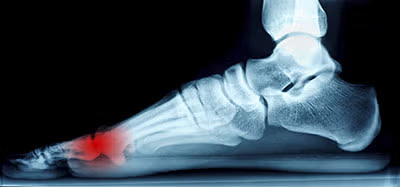
Morton’s neuroma is a painful condition that affects a nerve in the ball of the foot, most commonly between the third and fourth toes. It can cause burning pain, tingling, numbness, or the sensation that something is stuck inside your shoe.
At Preferred Footcare, our podiatrists provide personalized Morton’s neuroma treatment in Stamford, Connecticut. We evaluate your symptoms, footwear, foot structure, and activity level to determine what is placing pressure on the affected nerve.
If pain in the ball of your foot is affecting your ability to walk or wear shoes comfortably, call (203) 975-9600 or request an appointment with Preferred Footcare.
Request an AppointmentWhat Is Morton’s Neuroma?
Morton’s neuroma develops when tissue around one of the nerves leading to the toes becomes irritated and thickened. It commonly affects the nerve between the third and fourth toes, although it may develop in another space between the toes.
The condition does not usually create a visible lump on the outside of the foot. Instead, symptoms are often felt within the ball of the foot and may extend into the toes.
Some patients describe the sensation as:
- Standing on a pebble
- Walking with a fold in the sock
- Having something stuck inside the shoe
- Feeling a sudden electric shock in the toes
- Experiencing burning beneath the ball of the foot
Symptoms may initially occur only while wearing certain shoes or participating in physical activity. Without appropriate care, the discomfort may become more frequent.
What Causes Morton’s Neuroma?
Morton’s neuroma is associated with repeated pressure, irritation, or compression of a nerve in the forefoot.
Factors that may contribute to the condition include:
- Shoes with a narrow or pointed toe box
- High-heeled footwear
- Repetitive pressure on the ball of the foot
- Running and other high-impact activities
- Sports requiring tight footwear
- Flat feet or high arches
- Bunions
- Hammertoes
- Abnormal foot movement
- Instability in the joints of the forefoot
- Previous injuries affecting the front of the foot
High heels can shift body weight toward the front of the foot and increase pressure around the nerves. Tight shoes can also squeeze the toes together, leaving less space for the nerve.
Morton’s neuroma can affect people who do not wear high heels or participate in sports. Foot structure and walking mechanics may also contribute to repeated nerve compression.
Symptoms of Morton’s Neuroma
Morton’s neuroma symptoms may begin gradually and come and go. Removing a tight shoe, resting, or massaging the foot may temporarily reduce the discomfort.
Common symptoms include:
- Burning pain in the ball of the foot
- Sharp or shooting pain extending into the toes
- Tingling between the toes
- Numbness in one or more toes
- The sensation of standing on a pebble
- Pain that increases in tight shoes
- Pain while walking or running
- Discomfort when pressure is applied to the forefoot
- Symptoms that improve after removing the shoe
There is not usually significant swelling, bruising, or a visible bump. This can make it difficult to identify the condition without a professional evaluation.
Other foot problems can cause similar symptoms. Stress fractures, arthritis, joint inflammation, tendon problems, and other forms of nerve compression may also cause pain in the ball of the foot.
Schedule an evaluation if the pain continues, keeps returning, or is accompanied by persistent numbness. Patients with diabetes or reduced sensation should seek professional care for new burning, tingling, numbness, or foot pain.
How Morton’s Neuroma Is Diagnosed
Diagnosis begins with a discussion of your symptoms and an examination of the foot. The podiatrist will identify the location of the pain and determine whether pressure between the metatarsal bones reproduces your symptoms.
The evaluation may include:
- Reviewing when the symptoms began
- Identifying which toes are affected
- Examining the ball of the foot
- Applying gentle pressure between the toes
- Checking for tenderness or a clicking sensation
- Evaluating your foot and arch structure
- Examining for bunions or hammertoes
- Assessing how you stand and walk
- Reviewing your footwear and activities
- Checking sensation in the affected toes
An X-ray may be recommended to rule out arthritis, a stress fracture, or another bone-related condition. Diagnostic ultrasound or MRI may be used when additional evaluation of the nerve and surrounding soft tissues is needed.
An accurate diagnosis is important because treatment for Morton’s neuroma differs from treatment for joint pain, stress injuries, or other causes of forefoot discomfort.
Morton’s Neuroma Treatment Options
Treatment depends on the severity and frequency of your symptoms. Conservative care is generally recommended before surgery is considered.
Your treatment plan may include:
Footwear Changes
Shoes with a wide and deep toe box provide more space for the forefoot and reduce compression around the nerve. Low-heeled shoes can also help shift pressure away from the ball of the foot.
Avoid footwear that squeezes the toes or places excessive pressure on the front of the foot.
Activity Modification
Activities that repeatedly increase pressure on the forefoot may need to be temporarily reduced. Your podiatrist can recommend ways to modify exercise while the irritated nerve settles.
Lower-impact activities may be more comfortable during treatment.
Metatarsal Padding
A metatarsal pad may help redistribute pressure away from the affected nerve. Correct placement is important because a pad positioned directly beneath the painful area may worsen symptoms.
Custom Orthotics
Custom orthotics may be recommended when foot structure or abnormal movement contributes to nerve compression. They can support the foot and redistribute pressure across the forefoot.
Ice Therapy
Applying a wrapped ice pack may help manage temporary pain after activity. Ice should not be placed directly against the skin.
Medication
Medication may be recommended to manage pain and inflammation. Discuss your current medications and medical conditions with your healthcare provider before beginning a new medication.
Injection Therapy
Injection therapy may be considered when footwear changes, padding, and other conservative treatments do not provide enough relief.
The podiatrist will explain the purpose, potential benefits, and risks before recommending an injection.
Surgery
Surgery may be considered when symptoms continue despite appropriate nonsurgical care or when persistent pain and numbness significantly affect daily activities.
Surgical treatment may involve releasing the tissue around the nerve to create more space or removing the damaged portion of the nerve. The recommended approach depends on your symptoms, examination, imaging, and response to previous treatment.
Temporary or permanent numbness in the affected toes may occur after nerve removal. Your podiatrist will explain the expected outcome, recovery process, and potential risks before surgery.
Learn More About Foot Surgery →Preventing Recurring Forefoot Pain
Morton’s neuroma symptoms may return if the affected nerve continues to experience pressure. Addressing footwear, activity habits, and foot mechanics may help reduce repeated irritation.
Helpful steps may include:
- Wearing shoes with a wide toe box
- Limiting high-heeled footwear
- Replacing worn-out athletic shoes
- Increasing exercise intensity gradually
- Alternating high-impact and lower-impact activities
- Using metatarsal pads correctly
- Wearing prescribed custom orthotics
- Addressing bunions or hammertoes
- Avoiding prolonged use of shoes that reproduce symptoms
- Seeking treatment when pain begins to return
Your podiatrist can recommend preventive measures based on your foot structure and normal activities.
Frequently Asked Questions About Morton’s Neuroma
Does Morton’s neuroma cause a visible lump?
Morton’s neuroma usually does not create a visible lump. The thickened tissue develops around a nerve inside the foot, so symptoms are generally felt rather than seen.
Can Morton’s neuroma go away on its own?
Mild symptoms may improve after changing footwear and reducing activities that place pressure on the forefoot. Persistent or recurring symptoms should be evaluated to prevent continued nerve irritation.
What shoes are best for Morton’s neuroma?
Shoes with a wide toe box, low heel, stable sole, and adequate cushioning are generally more comfortable. Avoid shoes that squeeze the toes or shift excessive weight onto the ball of the foot.
Can custom orthotics help Morton’s neuroma?
Custom orthotics may help when foot structure or abnormal movement contributes to pressure around the nerve. They can be designed to redistribute weight away from the painful area.
Is Morton’s neuroma a tumor?
Despite its name, Morton’s neuroma is not a cancerous tumor. It is a thickening and irritation of tissue surrounding a nerve in the forefoot.
When is surgery considered?
Surgery may be considered when persistent pain or numbness does not improve with appropriate conservative care. The decision depends on the severity of the symptoms and their effect on daily activities.
When should I see a podiatrist?
Schedule an evaluation if burning, tingling, numbness, or pain in the ball of the foot continues or keeps returning. Early treatment may help reduce pressure on the nerve before symptoms become persistent.
Schedule a Morton’s Neuroma Evaluation in Stamford, CT
Persistent burning or shooting pain in the ball of the foot should not be ignored. Preferred Footcare can determine whether Morton’s neuroma or another condition is causing your symptoms and recommend an appropriate treatment plan.
Call (203) 975-9600 or request an appointment online for Morton’s neuroma treatment in Stamford, Connecticut.
Request an Appointment


