Call Us Today! (203) 975-9600
SAME DAY APPOINTMENTS AVAILABLE
Call Us Today! (203) 975-9600
SAME DAY APPOINTMENTS AVAILABLE

Foot and ankle problems like fractures, diabetes related changes, and gout can affect daily comfort and stability. A fracture may cause sudden swelling, bruising, and sharp pain while bearing weight, and the area may look misshapen or severely tender. Diabetes can lead to reduced sensation, dry skin, slow-healing wounds, and swelling that may feel heavy or numb. Symptoms of gout include intense redness, warmth, and throbbing pain, usually in the big toe, and the affected joint may look shiny or swollen. These conditions may feel limiting, stressful, or unpredictable, especially when movement increases discomfort. A podiatrist can begin by performing a full examination, ordering imaging or lab tests when needed, and identifying the underlying cause of symptoms. Treatment may include fracture stabilization, wound care, footwear recommendations, or long-term management strategies to prevent complications. Because early professional care protects foot health and supports safe recovery, it is suggested that you schedule an appointment with a podiatrist for appropriate treatment solutions.
Foot Pain
Foot pain can be extremely painful and debilitating. If you have a foot pain, consult with one of our podiatrists from Preferred Footcare, LLC. Our doctors will assess your condition and provide you with quality foot and ankle treatment.
Causes
Foot pain is a very broad condition that could be caused by one or more ailments. The most common include:
Diagnosis
To figure out the cause of foot pain, podiatrists utilize several different methods. This can range from simple visual inspections and sensation tests to X-rays and MRI scans. Prior medical history, family medical history, and any recent physical traumatic events will all be taken into consideration for a proper diagnosis.
Treatment
Treatment depends upon the cause of the foot pain. Whether it is resting, staying off the foot, or having surgery; podiatrists have a number of treatment options available for foot pain.
If you have any questions, please feel free to contact our office located in Stamford, CT . We offer the newest diagnostic and treatment technologies for all your foot care needs.

Athlete’s foot is a common fungal infection that affects the skin on the feet, usually beginning between the toes. It develops in warm and moist environments and can cause itching, redness, peeling, burning, and an unpleasant odor. Causes include exposure to fungi in shared showers, locker rooms, or damp surfaces. Risk factors include wearing sweaty socks, weaning tight shoes, or walking barefoot in public places. If not treated, the infection can spread to the toenails or other areas of the body. A podiatrist can diagnose the condition, provide effective treatment, and offer guidance to prevent future infections. If you notice signs of athlete’s foot, it is suggested that you consult a podiatrist who can offer effective treatment solutions, which may include prescribed medication.
Athlete’s Foot
Athlete’s foot is often an uncomfortable condition to experience. Thankfully, podiatrists specialize in treating athlete’s foot and offer the best treatment options. If you have any questions about athlete’s foot, consult with one of our podiatrists from Preferred Footcare, LLC. Our doctors will assess your condition and provide you with quality treatment.
What Is Athlete’s Foot?
Tinea pedis, more commonly known as athlete’s foot, is a non-serious and common fungal infection of the foot. Athlete’s foot is contagious and can be contracted by touching someone who has it or infected surfaces. The most common places contaminated by it are public showers, locker rooms, and swimming pools. Once contracted, it grows on feet that are left inside moist, dark, and warm shoes and socks.
Prevention
The most effective ways to prevent athlete’s foot include:
Symptoms
Athlete’s foot initially occurs as a rash between the toes. However, if left undiagnosed, it can spread to the sides and bottom of the feet, toenails, and if touched by hand, the hands themselves. Symptoms include:
Diagnosis and Treatment
Diagnosis is quick and easy. Skin samples will be taken and either viewed under a microscope or sent to a lab for testing. Sometimes, a podiatrist can diagnose it based on simply looking at it. Once confirmed, treatment options include oral and topical antifungal medications.
If you have any questions, please feel free to contact our office located in Stamford, CT . We offer the newest diagnostic and treatment technologies for all your foot care needs.
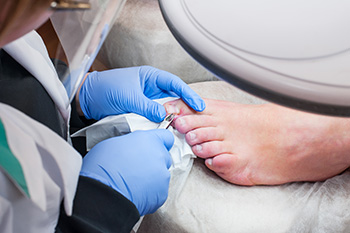
Surgical treatment for ingrown toenails focuses on relieving pain, reducing infection, and preventing the nail from growing into the skin again. When the side of a toenail digs into the skin, it can cause redness, swelling, and tenderness. If left untreated, the area can become infected and make walking uncomfortable. For more severe or recurring cases, a podiatrist can perform one of several surgical procedures in which a small part of the toenail or the skin around it is carefully removed to stop the edge of the nail from digging into the toe. This helps the nail grow straight and prevents it from cutting into the skin again. The procedure is done under local anesthesia, and healing usually occurs within a few weeks. A podiatrist can determine which approach will provide lasting relief and promote healthy nail growth. If you have a painful or recurring ingrown toenail, it is suggested that you make an appointment with a podiatrist for a diagnosis and treatment.
Ingrown toenails can become painful if they are not treated properly. For more information about ingrown toenails, contact one of our podiatrists of Preferred Footcare, LLC. Our doctors can provide the care you need to keep you pain-free and on your feet.
Ingrown Toenails
Ingrown toenails occur when a toenail grows sideways into the bed of the nail, causing pain, swelling, and possibly infection.
Causes
Prevention
Wearing proper fitting shoes and using proper cutting techniques will also help decrease your risk of developing ingrown toenails.
Treatment
Ingrown toenails are a very treatable foot condition. In minor cases, soaking the affected area in salt or antibacterial soaps will not only help with the ingrown nail itself, but also help prevent any infections from occurring. In more severe cases, surgery is an option. In either case, speaking to your podiatrist about this condition will help you get a better understanding of specific treatment options that are right for you.
If you have any questions, please feel free to contact our office located in Stamford, CT . We offer the newest diagnostic and treatment technologies for all your foot care needs.

You don't need an excuse to have beautiful nails. Step outside without worrying about the appearance of your feet.

Foot and ankle injuries in snowboarding often occur because both feet are attached to a single board, reducing independent movement and increasing stress during falls or sharp turns. Non-releasable bindings can lock the feet in place, leading to sprains, fractures, and tendon strains. Boots and hybrid boots that do not fit well may add pressure, reduce stability, or fail to protect the ankles during landings. These factors can place significant force on the lower limbs, especially on uneven terrain or during high-speed maneuvers. A podiatrist can evaluate injuries, provide proper treatment, and recommend supportive gear that improves safety. If you have foot pain after snowboarding, it is suggested that you seek professional care from a podiatrist who can provide effective relief and treatment solutions.
Ankle and foot injuries are common among athletes and in many sports. They can be caused by several problems and may be potentially serious. If you are feeling pain or think you were injured in a sporting event or when exercising, consult with one of our podiatrists from Preferred Footcare, LLC. Our doctors will assess your condition and provide you with quality foot and ankle treatment.
Common Injuries
The most common injuries that occur in sporting activities include:
Symptoms
Symptoms vary depending upon the injury and in some cases, there may be no symptoms at all. However, in most cases, some form of symptom is experienced. Pain, aching, burning, bruising, tenderness, tightness or stiffness, sensation loss, difficulty moving, and swelling are the most common symptoms.
Treatment
Just as symptoms vary depending upon the injury, so do treatment options. A common treatment method is known as the RICE method. This method involves rest, applying ice, compression and elevating the afflicted foot or ankle. If the injury appears to be more serious, surgery might be required, such as arthroscopic or reconstructive surgery. Lastly, rehabilitation or therapy might be needed to gain full functionality in the afflicted area. Any discomfort experienced by an athlete must be evaluated by a licensed, reputable medical professional.
If you have any questions please contact our office located in Stamford, CT . We offer the newest diagnostic and treatment technologies for all your foot and ankle needs.
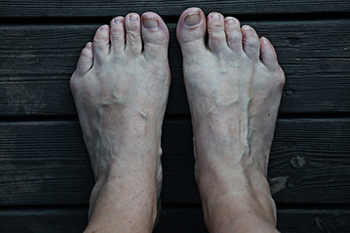
A bunionette, also known as a tailor’s bunion, is a bony bump that forms on the outside of the foot near the base of the little toe. It develops when the fifth metatarsal bone shifts outward while the toe moves inward. This is often due to inherited foot structure, poor footwear choices, or repetitive pressure on the side of the foot. Symptoms include redness, swelling, and pain, especially when wearing tight or narrow shoes. The area may appear raised and tender, and the skin can become irritated or callused. Walking or standing for long periods may worsen the discomfort. A podiatrist can diagnose a bunionette through physical examination and imaging to assess the alignment of the bones. Treatment may include shoe modifications, padding, custom orthotics, and anti-inflammatory measures. In more severe cases, surgery may be needed to correct the deformity. If you notice a painful bump near your little toe, it is suggested that you make an appointment with a podiatrist for help.
If you are suffering from bunions, contact one of our podiatrists of Preferred Footcare, LLC. Our doctors can provide the care you need to keep you pain-free and on your feet.
What Is a Bunion?
A bunion is formed of swollen tissue or an enlargement of boney growth, usually located at the base joint of the toe that connects to the foot. The swelling occurs due to the bones in the big toe shifting inward, which impacts the other toes of the foot. This causes the area around the base of the big toe to become inflamed and painful.
Why Do Bunions Form?
Genetics – Susceptibility to bunions are often hereditary
Stress on the feet – Poorly fitted and uncomfortable footwear that places stress on feet, such as heels, can worsen existing bunions
How Are Bunions Diagnosed?
Podiatrists often perform two tests – blood tests and x-rays – when trying to diagnose bunions, especially in the early stages of development. Blood tests help determine if the foot pain is being caused by something else, such as arthritis, while x-rays provide a clear picture of your bone structure to your provider.
How Are Bunions Treated?
If you have any questions, please feel free to contact our office located in Stamford, CT . We offer the newest diagnostic and treatment technologies for all your foot care needs.
Call Us Today! (203) 975-9600
SAME DAY APPOINTMENTS AVAILABLE