


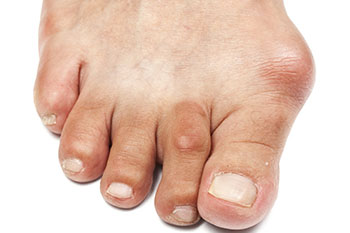
A bunion is a progressive foot deformity that develops at the joint at the base of the big toe. As the joint moves out of alignment, a visible bump may form along the inside of the foot and make walking or wearing shoes uncomfortable.
At Preferred Footcare, our podiatrists provide personalized bunion treatment in Stamford, Connecticut. We evaluate the severity of the deformity, determine how it affects your movement, and recommend conservative or surgical treatment based on your symptoms and lifestyle.
If bunion pain is limiting your activities or making it difficult to find comfortable shoes, call (203) 975-9600 or request an appointment with Preferred Footcare.
Request an AppointmentWhat Is a Bunion?
A bunion, also called hallux valgus, is more than a bump on the side of the foot. It develops when the big toe gradually moves toward the second toe and the joint at the base of the big toe shifts outward.
These alignment changes create the visible prominence associated with a bunion. As the deformity progresses, the joint may become painful, stiff, swollen, or difficult to fit into regular footwear.
Bunions generally develop gradually and do not correct themselves without surgery. However, not every bunion progresses at the same rate, and some remain painless for years.
A similar deformity called a tailor’s bunion, or bunionette, can develop on the outside of the foot near the base of the little toe.
What Causes Bunions?
Bunions often develop because of an inherited foot structure that affects the way pressure is distributed across the front of the foot. While the bunion itself is not directly inherited, certain foot types may increase the likelihood of developing one.
Factors that may contribute to bunion development or progression include:
- A family history of bunions
- Flat feet or unstable arches
- Abnormal foot mechanics
- Loose or flexible joints
- Arthritis affecting the big toe joint
- Differences in leg or foot structure
- Repetitive pressure on the front of the foot
- Shoes that crowd the toes
- Prolonged use of high-heeled footwear
- Previous foot injuries
Tight or narrow shoes may not be the underlying cause of every bunion, but they can increase pressure on the joint, aggravate symptoms, and make an existing deformity more uncomfortable.
Because the causes vary, a professional evaluation can help determine what is contributing to the bunion and which treatment options may be appropriate.
Bunion Symptoms
Some bunions are painless, while others interfere with walking, exercise, work, and shoe selection. Symptoms may become more noticeable as the deformity progresses.
Common bunion symptoms include:
- A visible bump at the base of the big toe
- Pain or soreness around the big toe joint
- Redness and inflammation
- Swelling near the affected joint
- Burning or numbness
- Restricted movement of the big toe
- Pain while walking or standing
- Difficulty fitting into regular shoes
- Corns or calluses where the toes rub together
- The big toe moving toward or underneath the second toe
As the big toe continues to shift, it may place pressure on the smaller toes and contribute to hammertoes, corns, calluses, or pain under the ball of the foot.
When Should You See a Podiatrist?
Schedule a bunion evaluation if:
- Pain interferes with walking or exercise
- The bump becomes red, swollen, or irritated
- Your big toe is moving toward the other toes
- You have difficulty finding comfortable shoes
- The joint becomes increasingly stiff
- Corns or calluses repeatedly develop
- Conservative care no longer controls the discomfort
- You have diabetes and notice redness, wounds, or skin changes
Early evaluation can help you understand the severity of the deformity and the available ways to manage your symptoms.
How Bunions Are Diagnosed
A bunion can often be recognized during a physical examination. However, the visible bump does not show the full extent of the changes inside the foot.
During your appointment, the podiatrist may:
- Review when your symptoms began
- Examine the position of the big toe
- Check the joint for pain and tenderness
- Evaluate the flexibility of the toe
- Look for redness, swelling, corns, or calluses
- Assess the position of the smaller toes
- Examine your arches and foot structure
- Observe how you stand and walk
- Review the types of shoes you normally wear
Weight-bearing X-rays may be recommended to evaluate the alignment of the bones and joints while you are standing. The images can help determine the severity of the bunion, identify arthritis, and support surgical planning when necessary.
Bunion severity is not based only on the size of the visible bump. The podiatrist also considers your level of pain, joint flexibility, activity limitations, and changes shown on imaging.
Nonsurgical Bunion Treatment
Nonsurgical treatment cannot permanently realign the bones or remove a bunion. Its purpose is to reduce pressure, improve comfort, and help you remain active.
Depending on your symptoms, treatment may include:
Wider and More Supportive Shoes
Shoes with a wide and deep toe box can reduce pressure on the bunion. Avoid footwear that crowds the toes or places excessive pressure on the front of the foot.
Bunion Padding
Protective padding can reduce friction between the bunion and the inside of the shoe. Padding should be positioned carefully so it does not create additional pressure.
Activity Modification
Activities that repeatedly aggravate the bunion may need to be adjusted. Your podiatrist can recommend ways to remain active while reducing pressure on the affected joint.
Ice Therapy
Applying a wrapped ice pack may help manage temporary pain and inflammation after prolonged standing or activity. Ice should not be placed directly against the skin.
Custom Orthotics
Custom orthotics may improve support and redistribute pressure when abnormal foot movement contributes to bunion symptoms. They can help manage discomfort but will not reverse the deformity.
Toe Spacers or Splints
Toe spacers and splints may improve comfort for some patients by reducing friction or temporarily positioning the toe. They do not permanently straighten the joint or eliminate the bunion.
Medication
Medication may be recommended to manage pain and inflammation. Discuss your health history and current medications with your healthcare provider before beginning a new medication.
Monitoring
A painless or mildly symptomatic bunion may only require periodic monitoring. Follow-up evaluations can help identify changes in alignment, symptoms, or joint function.
When Is Bunion Surgery Considered?
Bunion surgery may be considered when pain continues despite appropriate nonsurgical care or when the deformity significantly interferes with walking, work, exercise, or daily activities.
Surgery is generally performed to reduce pain and improve alignment. It should not be chosen only to make the foot look different.
Bunion correction may involve:
- Realigning the bones of the big toe joint
- Correcting abnormal joint angles
- Removing a painful bony prominence
- Balancing the surrounding soft tissues
- Stabilizing an unstable joint
- Addressing related toe deformities
The appropriate procedure depends on the severity and structure of the bunion, the condition of the joint, your activity level, and the results of your X-rays.
Preferred Footcare offers different approaches to bunion correction, including:
Minimally Invasive Bunion Surgery
Minimally invasive bunion surgery uses smaller incisions to access and realign the affected bones. Not every bunion is suitable for this approach, so an examination and weight-bearing X-rays are required.
Learn More About Minimally Invasive Bunion Surgery →Lapiplasty 3D Bunion Correction
Lapiplasty is a surgical approach designed to address the bunion in three dimensions and stabilize the joint associated with the deformity. Your podiatrist can determine whether this procedure is appropriate for your foot.
Learn More About Lapiplasty 3D Bunion Correction →Recovery varies depending on the selected procedure, the severity of the deformity, and your overall health. Your podiatrist will explain weight-bearing restrictions, footwear, activity limitations, and the expected recovery process.
Frequently Asked Questions About Bunions
Will a bunion go away without surgery?
No. Nonsurgical care may reduce pain and pressure, but it cannot permanently correct the altered bone alignment. Surgery is the only way to realign the joint.
Are bunions hereditary?
Certain inherited foot structures and movement patterns may make a person more likely to develop a bunion. Family members may develop similar deformities because they share these structural characteristics.
Do tight shoes cause bunions?
Tight shoes are not the only cause of bunions, but footwear that crowds the toes can aggravate the deformity, increase discomfort, and make symptoms appear sooner.
Can custom orthotics correct a bunion?
Custom orthotics cannot remove or permanently straighten a bunion. They may improve foot support, redistribute pressure, and help manage symptoms.
When should bunion surgery be considered?
Surgery may be considered when bunion pain limits daily activities and does not improve with appropriate nonsurgical treatment. The decision should be based on symptoms and function, not appearance alone.
Can a bunion come back after surgery?
Bunion recurrence is possible. The risk may depend on the original deformity, the procedure performed, healing, foot structure, and whether postoperative instructions are followed.
How do I know which bunion procedure is right for me?
The appropriate procedure depends on your bone alignment, joint stability, deformity severity, activity level, and overall health. An examination and weight-bearing X-rays are needed before making a recommendation.
Schedule a Bunion Evaluation in Stamford, CT
You do not have to wait until a bunion becomes severely painful to have it evaluated. Preferred Footcare can assess the deformity, explain your treatment options, and help you decide whether conservative care or surgery is appropriate.
Call (203) 975-9600 or request an appointment online for bunion treatment in Stamford, Connecticut.
Request an Appointment


