


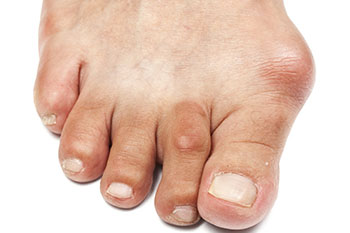
Minimally invasive bunion surgery uses specialized instruments and small incisions to realign the bones responsible for a painful bunion. The goal is to reduce pain, improve alignment, and minimize disruption to the surrounding soft tissue.
Preferred Footcare offers minimally invasive bunion surgery in Stamford, Connecticut, for appropriately selected patients. The recommended procedure is based on the severity of the bunion, joint condition, foot structure, and individual recovery needs.
If bunion pain is making it difficult to walk, exercise, or wear shoes comfortably, call (203) 975-9600 to schedule an evaluation.
Request an AppointmentWhat Is Minimally Invasive Bunion Surgery?
A bunion develops when the bones at the front of the foot move out of alignment. The first metatarsal shifts inward while the big toe moves toward the smaller toes, creating a visible prominence along the inside of the foot.
Minimally invasive bunion surgery corrects this alignment through several small incisions rather than one longer open incision.
Specialized surgical instruments are inserted through these openings to cut, reposition, and stabilize the affected bone. Real-time imaging may be used during the procedure to guide the correction.
Depending on the bunion and selected technique, screws or other fixation devices may be used to hold the bones in their corrected position while healing occurs.
Minimally invasive surgery is not simply the removal of the visible bump. Correcting the alignment of the bones is important for addressing the underlying deformity.
Who May Be a Candidate?
Minimally invasive bunion surgery may be considered when a bunion causes persistent pain or activity limitations despite appropriate nonsurgical treatment.
Potential candidates may experience:
- Pain around the big toe joint
- Redness or swelling over the bunion
- Difficulty finding comfortable shoes
- Pain during walking or exercise
- Reduced movement of the big toe
- Recurring corns or pressure areas
- The big toe moving toward the second toe
- Symptoms that continue despite footwear changes
- A bunion that is becoming progressively worse
Surgery should generally be considered because of pain and reduced function, not for cosmetic reasons alone.
Several factors may affect candidacy, including:
- The severity of the bunion
- Bone and joint alignment
- The presence of arthritis
- Bone quality
- Circulation
- Nerve function
- Smoking or nicotine use
- Current health conditions
- Previous foot surgery
- Ability to follow recovery instructions
Minimally invasive surgery may not provide the best correction for every bunion. Some deformities require another surgical approach to achieve appropriate alignment and stability.
How Minimally Invasive Bunion Surgery Works
The surgical plan is customized to the structure of the foot and the severity of the deformity.
Preoperative Evaluation
Before surgery, the podiatrist examines the foot and reviews weight-bearing X-rays. These images help determine the position of the bones, severity of the bunion, condition of the joint, and whether arthritis is present.
Your health history, medications, work requirements, and activity goals will also be reviewed.
Small Surgical Incisions
Several small incisions are made near the bunion. Specialized instruments are introduced through these openings to access the affected bone.
Bone Realignment
A controlled bone cut, called an osteotomy, may be performed. The bone is then repositioned to improve alignment across the front of the foot.
The visible bunion prominence may also be reduced when necessary.
Stabilization
Screws or another form of fixation may be used to maintain the corrected bone position during healing. The type of fixation depends on the surgical technique and the stability required.
Closure and Dressing
The small incisions are closed and the foot is placed in a protective dressing, surgical shoe, or walking boot.
Some patients may need additional procedures to address hammertoes, soft-tissue imbalance, joint stiffness, or another deformity. Additional treatment can affect recovery.
Potential Benefits and Limitations
Minimally invasive bunion surgery is designed to achieve structural correction while reducing the amount of soft-tissue disruption required to access the bones.
Potential benefits may include:
- Smaller surgical incisions
- Less soft-tissue dissection
- Reduced visible scarring
- Correction of bone alignment
- Protected weight-bearing for selected patients
- A structured transition back to footwear
- Reduced irritation from the bunion after healing
Results and recovery vary between patients. Smaller incisions do not mean that the procedure is minor or that bone healing occurs immediately.
Patients must still follow restrictions regarding walking, footwear, work, exercise, and wound care. Returning to activity too early may interfere with bone healing or affect the correction.
Minimally invasive surgery also does not eliminate every surgical risk or guarantee that a bunion will not return.
What to Expect During Recovery
The recovery plan depends on the procedure performed, fixation used, severity of the bunion, and individual healing.
Immediately After Surgery
The foot will be protected in a dressing, surgical shoe, or walking boot. Elevation is commonly recommended to help manage swelling.
Medication may be prescribed to manage postoperative discomfort.
Walking After Surgery
Some patients may be allowed to place protected weight on the foot relatively early. Others may need crutches or a period of limited weight-bearing.
Follow the specific instructions provided by your podiatrist. Do not assume that a smaller incision means unrestricted walking is safe.
Incision and Dressing Care
Keep the dressing clean and dry unless instructed otherwise. Do not remove or replace it without guidance.
Contact the office if you notice drainage, increasing redness, fever, worsening pain, or a wet or damaged dressing.
Follow-Up Appointments
Follow-up visits allow the podiatrist to:
- Examine the incisions
- Monitor swelling
- Change dressings
- Remove sutures when appropriate
- Evaluate toe alignment
- Review X-rays
- Monitor bone healing
- Adjust walking restrictions
- Guide the transition into regular shoes
Returning to Shoes
The transition into supportive footwear depends on swelling, comfort, and X-ray evidence of healing. The foot may remain swollen after the initial healing period, making some shoes uncomfortable.
Returning to Work and Exercise
Someone with a seated job may return sooner than a patient whose work involves prolonged standing, walking, lifting, or climbing.
Running, jumping, and high-impact exercise usually require more healing time than normal walking. Your podiatrist will provide an individualized return-to-activity plan.
Risks and Surgical Considerations
Minimally invasive bunion surgery carries risks associated with bone correction, anesthesia, incisions, and fixation.
Potential risks include:
- Infection
- Bleeding
- Swelling
- Scarring
- Numbness or nerve irritation
- Delayed wound healing
- Delayed bone healing
- Failure of the bone to heal
- Joint stiffness
- Persistent pain
- Hardware irritation
- Loss of correction
- Overcorrection or undercorrection
- Recurrence of the bunion
- Blood clots
- Need for additional surgery
This is not a complete list of possible complications. Individual risks will be reviewed before surgery.
Smoking and nicotine use can interfere with circulation and bone healing. Patients should discuss nicotine use, medical conditions, supplements, and medications before scheduling the procedure.
Minimally Invasive Surgery Compared With Lapiplasty
Minimally invasive bunion surgery and Lapiplasty are different approaches to correcting a bunion.
Minimally invasive surgery typically uses small incisions and controlled bone cuts to reposition the metatarsal. Fixation may be used to hold the correction during healing.
Lapiplasty corrects the metatarsal in three dimensions and stabilizes the first tarsometatarsal joint through a fusion procedure.
Neither approach is automatically better for every patient. The appropriate procedure depends on:
- The severity of the bunion
- Rotation of the metatarsal
- Joint instability
- Presence of arthritis
- Foot structure
- Bone quality
- Previous surgery
- Lifestyle and activity goals
- Recovery considerations
A physical examination and weight-bearing X-rays are needed before recommending a specific procedure.
Frequently Asked Questions About Minimally Invasive Bunion Surgery
Does minimally invasive surgery only shave the bunion?
No. The procedure is intended to correct the bone alignment responsible for the bunion. Simply removing the visible bump would not fully address the deformity.
Are screws used during minimally invasive bunion surgery?
Screws or another type of fixation may be used to maintain the corrected position. The need for fixation depends on the selected technique and bunion severity.
Can I walk immediately after surgery?
Some patients may be allowed protected weight-bearing in a surgical shoe or boot. Others may require more restrictions. Follow your podiatrist’s instructions.
Does a smaller incision mean a faster recovery?
Smaller incisions may reduce soft-tissue disruption, but the bones still need adequate time to heal. Recovery varies according to the procedure and patient.
Will there be a scar?
Any incision can leave a scar. Minimally invasive surgery uses smaller incisions, so the scars may be less noticeable after healing.
Can the bunion return?
Recurrence is possible after any bunion procedure. Foot structure, the original deformity, healing, and postoperative care can affect the long-term result.
Is minimally invasive surgery suitable for severe bunions?
Some moderate or severe bunions may be treated using minimally invasive techniques, while others require a different approach. Weight-bearing X-rays and an examination are necessary.
When can I return to regular shoes?
The timing depends on swelling, comfort, bone healing, and the procedure performed. Your podiatrist will guide the transition based on follow-up examinations and imaging.
Schedule a Bunion Surgery Consultation in Stamford, CT
Choosing the right bunion procedure requires an evaluation of the entire deformity, not just the visible bump. Preferred Footcare can determine whether minimally invasive bunion surgery or another correction method is appropriate for you.
Call (203) 975-9600 or request an appointment online for a bunion surgery consultation in Stamford, Connecticut.
Request an Appointment


