


KeryFlex is a professional cosmetic nail restoration system used to improve the appearance of damaged, discolored, brittle, or partially missing toenails. It creates a natural-looking artificial nail over the remaining healthy nail structure.
Preferred Footcare offers KeryFlex nail restoration in Stamford, Connecticut, for appropriately selected patients. Before applying the restoration, our podiatrists examine the toenail and determine whether an infection, injury, or medical condition requires treatment.
If a damaged toenail is affecting your confidence or making you avoid open-toed shoes, call (203) 975-9600 to schedule an evaluation.
Request an AppointmentWhat Is KeryFlex Nail Restoration?
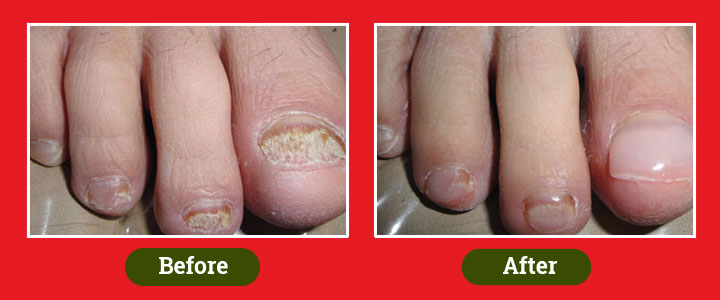
KeryFlex is an in-office cosmetic procedure that uses a flexible medical-grade resin to recreate the appearance of a natural toenail.
The resin is applied over the remaining nail and hardened using a curing light. The restored nail is shaped and smoothed to blend with the surrounding toenails.
KeryFlex may be used to improve the appearance of nails affected by:
- Fungal damage
- Nail discoloration
- Previous nail trauma
- Brittle or splitting nails
- Ridges and uneven growth
- Partial nail loss
- Thickened or distorted nails
- Damage after an ingrown toenail
- Slow nail regrowth
The restoration is flexible, allowing it to move naturally with the toe. It does not bond directly to the surrounding skin.
KeryFlex is a cosmetic restoration. It does not eliminate toenail fungus, repair the nail root, or permanently change how the natural nail grows.
Who May Be a Candidate for KeryFlex?
KeryFlex may be appropriate for patients who have enough healthy nail structure to support the restoration and no condition that makes application unsafe.
Potential candidates may have:
- A discolored toenail
- A partially damaged nail
- Nail changes after trauma
- A brittle or uneven nail
- A nail growing back after treatment
- Cosmetic concerns related to fungal damage
- A desire for a more natural-looking nail
- Enough remaining nail for the resin to adhere
Before recommending KeryFlex, the podiatrist will evaluate:
- The cause of the nail damage
- Amount of healthy nail remaining
- Condition of the surrounding skin
- Presence of fungal infection
- Circulation
- Sensation
- History of ingrown toenails
- Current nail treatments
- Medical conditions affecting healing
KeryFlex may not be appropriate when there is:
- An open wound
- Active drainage
- Significant skin infection
- Severe inflammation
- An untreated ingrown toenail
- Inadequate natural nail for attachment
- Certain circulation problems
- Reduced sensation that increases risk
- A medical condition affecting the safety of application
Patients with diabetes, neuropathy, or poor circulation require careful evaluation before any cosmetic nail procedure.
KeryFlex and Toenail Fungus
KeryFlex can improve the appearance of a toenail damaged by fungus, but it does not treat the fungal infection.
Toenail fungus may cause:
- Yellow or brown discoloration
- Thickening
- Brittle nail edges
- Debris under the nail
- Separation from the nail bed
- Changes in nail shape
A discolored or thickened nail is not always fungal. Trauma, psoriasis, age-related changes, and other conditions may create a similar appearance.
The podiatrist may collect a nail sample when the diagnosis is uncertain. If a fungal infection is confirmed, treatment may include topical medication, oral medication, professional nail care, or another appropriate option.
KeryFlex may be applied while the natural nail grows, provided the podiatrist determines that cosmetic restoration will not interfere with treatment or monitoring.
Patients should continue any prescribed antifungal treatment according to instructions. Covering the nail with resin does not mean the infection has cleared.
What Happens During a KeryFlex Appointment?
KeryFlex is applied during an office visit. The procedure does not require a surgical incision.
Evaluate the Natural Nail
The podiatrist examines the toenail and surrounding skin. Any active infection, wound, inflammation, or ingrown nail must be addressed before cosmetic restoration.
Prepare the Nail
Loose, damaged, or thickened portions of the nail may be carefully reduced. The remaining nail surface is cleaned and prepared so the resin can adhere properly.
Apply the Resin
Layers of KeryFlex resin are applied to rebuild the missing or damaged portion of the nail. The material is shaped during application to create a natural appearance.
Cure the Restoration
Each layer is hardened with a curing light. The process continues until the desired shape and thickness are achieved.
Shape and Finish the Nail
The restored nail is filed and smoothed. The color and shape are selected to blend with the surrounding nails as naturally as possible.
Patients can generally wear socks and shoes after the procedure. Footwear should provide enough room to avoid unnecessary pressure on the restored nail.
KeryFlex Nail Restoration Gallery




Benefits and Limitations of KeryFlex
Potential benefits include:
- Natural-looking cosmetic improvement
- Flexible nail restoration
- No surgical incision
- In-office application
- Immediate visual improvement
- Protection of the remaining nail surface
- Ability to wear open-toed footwear more confidently
- A temporary option while the natural nail grows
KeryFlex also has several limitations:
- It does not cure toenail fungus
- It does not permanently repair the natural nail
- It requires maintenance
- It may loosen or become damaged
- It needs enough healthy nail for attachment
- It is not appropriate for every patient
- Nail disease may continue underneath the restoration
- Results depend on the condition of the natural nail
A restored nail should not be used to hide unexplained nail changes without first identifying the cause.
Any dark streak, bleeding, rapidly changing color, open sore, or unusual growth should be evaluated before cosmetic treatment is considered.
Caring for a KeryFlex Nail
Proper care can help protect the restoration and reduce premature lifting or damage.
Patients may be advised to:
- Wear shoes with enough toe room
- Avoid repeated impact to the nail
- Keep the feet clean and dry
- Avoid picking at the edges
- Do not cut underneath the restoration
- Continue prescribed nail treatment
- Monitor for redness or drainage
- Return for maintenance as recommended
- Report loosening or damage
- Avoid using the nail to scrape or push objects
Nail polish may be applied if approved by the podiatrist. Ask which polish removers and products are appropriate for the restoration.
Do not attempt to glue a loose restoration back into place. Trapping moisture, debris, or infection underneath can create additional problems.
Contact the office if you notice:
- Increasing pain
- Redness
- Swelling
- Drainage
- An unpleasant odor
- Skin irritation
- Separation of the natural nail
- A loose or damaged restoration
How Long Does KeryFlex Last?
KeryFlex is temporary and will gradually grow forward with the natural nail. Its lifespan depends on:
- Rate of nail growth
- Amount of natural nail present
- Footwear
- Daily activities
- Moisture exposure
- Previous nail damage
- Care of the restoration
Maintenance or replacement may be recommended as the natural nail grows or the restoration begins to loosen.
Toenails grow slowly, so a damaged nail may require several months to grow out. If the nail root has been permanently injured, the natural nail may continue growing with an irregular appearance.
KeryFlex can improve appearance during this period, but it cannot guarantee normal future nail growth.
Frequently Asked Questions About KeryFlex
Does KeryFlex treat toenail fungus?
No. KeryFlex is a cosmetic nail restoration. Any fungal infection must be diagnosed and treated separately.
Does the application hurt?
The procedure is generally comfortable because the resin is applied to the nail surface. Pain may indicate an underlying condition that should be evaluated before application.
Can KeryFlex be used if the entire nail is missing?
The system typically requires enough healthy natural nail for proper attachment. The podiatrist will determine whether sufficient nail remains.
Can I wear regular shoes after treatment?
Yes, provided the shoes have enough room and do not place excessive pressure on the restored nail.
Can I apply nail polish?
Nail polish may be used when approved by the podiatrist. Ask for guidance about polish and remover products.
How often does KeryFlex need maintenance?
Maintenance varies according to nail growth, daily activities, footwear, and the condition of the restoration. Follow-up timing will be discussed during your appointment.
Can the restored nail fall off?
The restoration may loosen or become damaged, particularly after repeated impact or pressure. Do not reattach it yourself.
Is KeryFlex covered by insurance?
KeryFlex is generally considered a cosmetic service, but coverage and payment policies vary. Confirm costs before treatment.
Schedule a KeryFlex Consultation in Stamford, CT
A damaged toenail should be evaluated before it is cosmetically restored. Preferred Footcare can identify the cause of the nail changes and determine whether KeryFlex is appropriate.
Call (203) 975-9600 or request an appointment online for a KeryFlex nail restoration consultation in Stamford, Connecticut.
Request an Appointment


