Hammertoe Surgery and What to Expect

Hammertoe surgery is used to correct a toe that bends abnormally at its middle joint, creating a hammer-like appearance. This deformity commonly affects the second, third, or fourth toe, and may become more painful as it progresses. Hammertoe develops when muscles and tendons become unbalanced, causing the toe to remain bent. Symptoms may include stiffness, discomfort while walking, and difficulty wearing regular shoes. Some people also develop corns where the affected toe rubs against footwear. Risk factors include inherited foot structure, arthritis, and wearing narrow shoes that squeeze the toes. When the deformity interferes with everyday activities, surgical correction may offer lasting relief.

Hammertoe surgery is generally considered when conservative treatments do not provide enough relief or the toe becomes rigid. Early hammertoe may improve with wider footwear, protective padding, and custom orthotics that reduce pressure. During an evaluation, a podiatrist examines toe flexibility, joint alignment, and areas of tenderness. X-rays may be taken to assess the bones and determine the severity of the deformity. The podiatrist also reviews your medical history and discusses treatment options. Surgery may be recommended when pain continues despite other treatments or when the affected toe makes walking and wearing shoes difficult. 


The surgical approach depends on whether the hammertoe remains flexible or has become rigid. For a flexible toe, the podiatrist may release or reposition a tendon to help restore alignment. If the joint is rigid, a small portion of bone may be removed so the toe can straighten. In some cases, a temporary pin or another fixation device holds the toe in position while healing begins. The procedure may use local anesthesia, sometimes with additional sedation. Possible risks include infection, swelling, and recurrence of the deformity. Smoking, diabetes, and poor circulation may increase the risk of healing complications. Discussing these concerns before surgery helps you understand what to expect and prepare for recovery.


After hammertoe surgery, the podiatrist provides instructions to protect the toe and support healing. You may need a surgical shoe or dressing to reduce pressure on the treated area. Keeping your foot elevated can help manage swelling, while follow-up appointments allow the podiatrist to check the incision and toe alignment. You must follow weight-bearing instructions carefully because too much pressure can interfere with healing. Recovery time varies depending on the procedure and your overall health. If you have hammertoe that causes persistent pain or makes walking difficult, it is suggested that you consult a podiatrist who can determine if this type of foot surgery is right for you. 

Foot surgery is sometimes necessary to treat a foot ailment. To learn more, contact one of our podiatrists of Preferred Footcare, LLC. Our doctors will assist you with all of your foot and ankle needs.

When Is Surgery Necessary?

Foot and ankle surgery is generally reserved for cases in which less invasive, conservative procedures have failed to alleviate the problem. Some of the cases in which surgery may be necessary include:

  • Removing foot deformities like bunions and bone spurs
  • Severe arthritis that has caused bone issues
  • Cosmetic reconstruction

What Types of Surgery Are There?

The type of surgery you receive will depend on the nature of the problem you have. Some of the possible surgeries include:

  • Bunionectomy for painful bunions
  • Surgical fusion for realignment of bones
  • Neuropathy decompression surgery to treat nerve damage

Benefits of Surgery

Although surgery is usually a last resort, it can provide more complete pain relief compared to non-surgical methods and may allow you to finally resume full activity.

Surgical techniques have also become increasingly sophisticated. Techniques like endoscopic surgery allow for smaller incisions and faster recovery times.

If you have any questions, please feel free to contact our office located in Stamford, CT . We offer the newest diagnostic and treatment technologies for all your foot care needs.
Read more about Foot Surgery

Recognizing Gout in the Feet

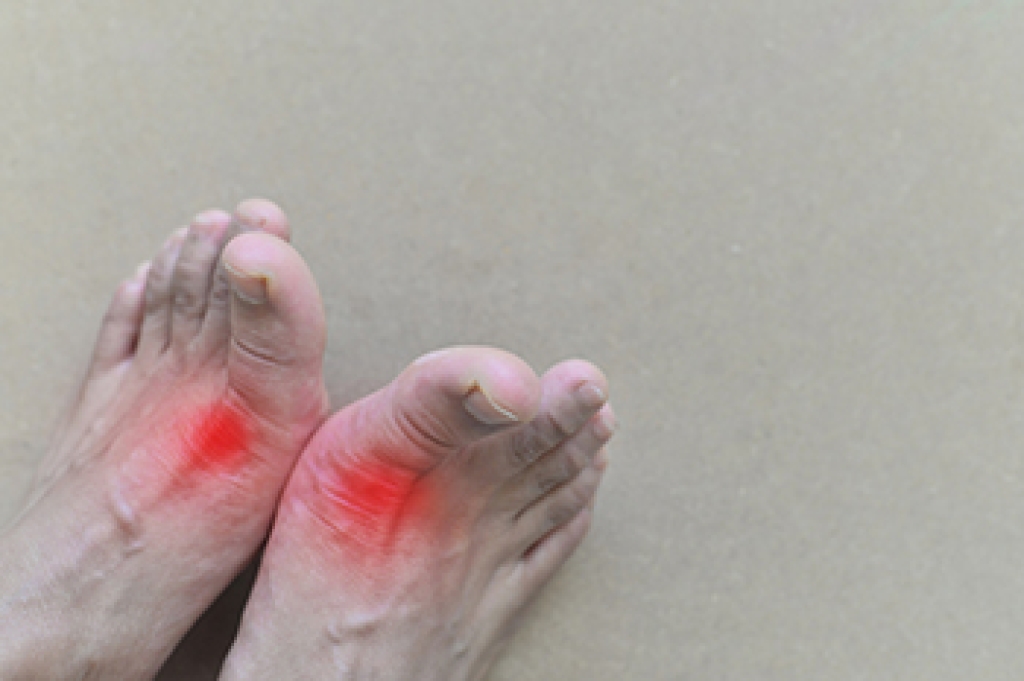
Gout often begins with sudden, intense pain in a joint, sometimes appearing overnight without warning. This form of inflammatory arthritis develops when uric acid builds up and forms sharp crystals inside a joint. Uric acid is a substance produced as the body breaks down certain natural compounds. When crystals collect, they trigger inflammation that causes significant discomfort. The big toe is a frequent location for gout, although the condition may also affect the ankle or other joints in the foot. Gout attacks, sometimes called flare-ups, may occur unexpectedly and make even light pressure uncomfortable. Elevated uric acid levels do not always lead to symptoms, and some people experience long periods between attacks. Understanding how gout develops helps to explain why recurring foot pain deserves attention.


During a gout flare-up, the affected joint may become swollen, red, and unusually warm. Pain often reaches its greatest intensity within the first day and may make walking or wearing shoes difficult. The skin around the joint may appear shiny or feel extremely sensitive to touch. Symptoms sometimes improve after several days, but another attack may develop later. Repeated episodes may eventually damage joints and interfere with normal foot movement. Certain factors, including kidney problems and a family history of gout, may increase the likelihood of developing the condition. Some medications may also affect uric acid levels. Because sudden joint pain may have different causes, identifying gout requires more than recognizing swelling or redness. A careful assessment helps distinguish gout from other problems affecting the feet.


A podiatrist evaluates suspected gout by reviewing the pattern of symptoms and examining the painful joint. The examination focuses on swelling, tenderness, and changes in movement. When appropriate, diagnostic testing may help confirm whether uric acid crystals are responsible for the inflammation. Podiatric treatment focuses on reducing discomfort during flare-ups and protecting joint function over time. The podiatrist may discuss treatment options for managing inflammation and monitor how repeated attacks affect walking. Ongoing care is important because gout may return even after symptoms disappear. Addressing recurring attacks helps limit their effect on mobility and everyday activities. If you experience sudden, severe pain or repeated swelling in your big toe or another foot joint, it is suggested that you consult a podiatrist for an evaluation and appropriate treatment options.

Gout is a foot condition that requires certain treatment and care. If you are seeking treatment, contact one of our podiatrists from Preferred Footcare, LLC. Our doctors will treat your foot and ankle needs.

What Is Gout?

Gout is a type of arthritis caused by a buildup of uric acid in the bloodstream. It often develops in the foot, especially the big toe area, although it can manifest in other parts of the body as well. Gout can make walking and standing very painful and is especially common in diabetics and the obese.

People typically get gout because of a poor diet. Genetic predisposition is also a factor. The children of parents who have had gout frequently have a chance of developing it themselves.

Gout can easily be identified by redness and inflammation of the big toe and the surrounding areas of the foot. Other symptoms include extreme fatigue, joint pain, and running high fevers. Sometimes corticosteroid drugs can be prescribed to treat gout, but the best way to combat this disease is to get more exercise and eat a better diet.

If you have any questions, please feel free to contact our office located in Stamford, CT . We offer the newest diagnostic and treatment technologies for all your foot care needs.

Read more about Everything You Need to Know About Gout

It's Time for Beautiful Feet

You don't need an excuse to have beautiful nails. Step outside without worrying about the appearance of your feet.

Balance Exercises Can Help Prevent Falls

Good balance helps people walk with confidence and avoid falls. Balance depends on the feet, muscles, and nervous system working together. Age, an injury, or reduced foot sensation can interfere with this process. Foot pain and weak ankle muscles can make a person feel less steady. Balance exercises can improve control by teaching the body to respond to changes in position. Patients with recent injuries, severe dizziness, or frequent falls are at risk of falling. Exercises can be prescribed by a podiatrist. They should be performed near a sturdy counter or railing for support, while wearing shoes with soles that grip the floor.

A podiatrist can determine whether a foot or ankle problem is affecting balance. The evaluation includes checking joint movement, muscle strength, and sensation. Care can include customized balance exercises, wearing supportive shoes, or custom orthotics. Orthotics are shoe inserts made to improve stability and distribute pressure evenly. A podiatrist can explain which exercises are appropriate, and how often to perform them. Movements should remain controlled. Stop if pain, dizziness, or unusual weakness develops. Follow-up visits can track progress and allow the exercise plan to be adjusted safely. 

Several exercises can improve balance without special equipment. For a one-leg stand, hold a stable surface, lift one foot, and keep the standing knee relaxed. Hold briefly, lower the foot, and repeat on the other side. A heel-to-toe walk involves placing one foot directly in front of the other while looking ahead. Sideways walking can improve coordination. Take slow steps to one side, bring the feet together, and then reverse direction. A low step-up can strengthen the legs and ankles. Use a railing, place one foot on the step, and rise slowly before stepping down. If you have injured your foot or ankle from falling,  it is suggested that you schedule an appointment with a podiatrist for a diagnosis and appropriate treatment.

Preventing falls among the elderly is very important. If you are older and have fallen or fear that you are prone to falling, consult with one of our podiatrists from Preferred Footcare, LLC. Our doctors will assess your condition and provide you with quality advice and care.

Every 11 seconds, an elderly American is being treated in an emergency room for a fall related injury. Falls are the leading cause of head and hip injuries for those 65 and older. Due to decreases in strength, balance, senses, and lack of awareness, elderly persons are very susceptible to falling. Thankfully, there are a number of things older persons can do to prevent falls.

How to Prevent Falls

Some effective methods that older persons can do to prevent falls include:

  • Enrolling in strength and balance exercise program to increase balance and strength
  • Periodically having your sight and hearing checked
  • Discuss any medications you have with a doctor to see if it increases the risk of falling
  • Clearing the house of falling hazards and installing devices like grab bars and railings
  • Utilizing a walker or cane
  • Wearing shoes that provide good support and cushioning
  • Talking to family members about falling and increasing awareness

Falling can be a traumatic and embarrassing experience for elderly persons; this can make them less willing to leave the house, and less willing to talk to someone about their fears of falling. Doing such things, however, will increase the likelihood of tripping or losing one’s balance. Knowing the causes of falling and how to prevent them is the best way to mitigate the risk of serious injury.  

If you have any questions, please feel free to contact our office located in Stamford, CT . We offer the newest diagnostic and treatment technologies for all your foot care needs.

Read more about Falls Prevention
Connect with us

Featured Articles